Safety and Training
Training Safe Pilots Starts on Day One
At Flitestar Academy, safety is not a separate lesson—it is part of every flight. From the first briefing at Wilson Airport to solo flights and cross-country training, students learn that flying safely is just as important as flying well.
Learning Skills and Making Safe Decisions
Every lesson we teach has two goals:
- Learn the flying skill
- Learn how to make safe decisions
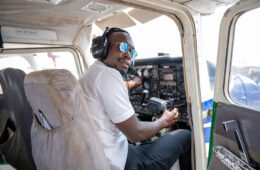
For example, during circuit training in the Cessna 172, students practice takeoffs and landings. But they also learn something more important—when to go around instead of forcing a bad landing.
We don’t just train students to fly. We train them to think.
Instructors Lead by Example
Students watch everything their instructors do. That’s why our instructors focus on:
- Following procedures correctly
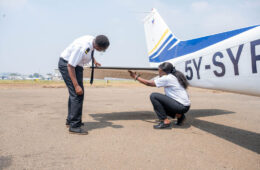
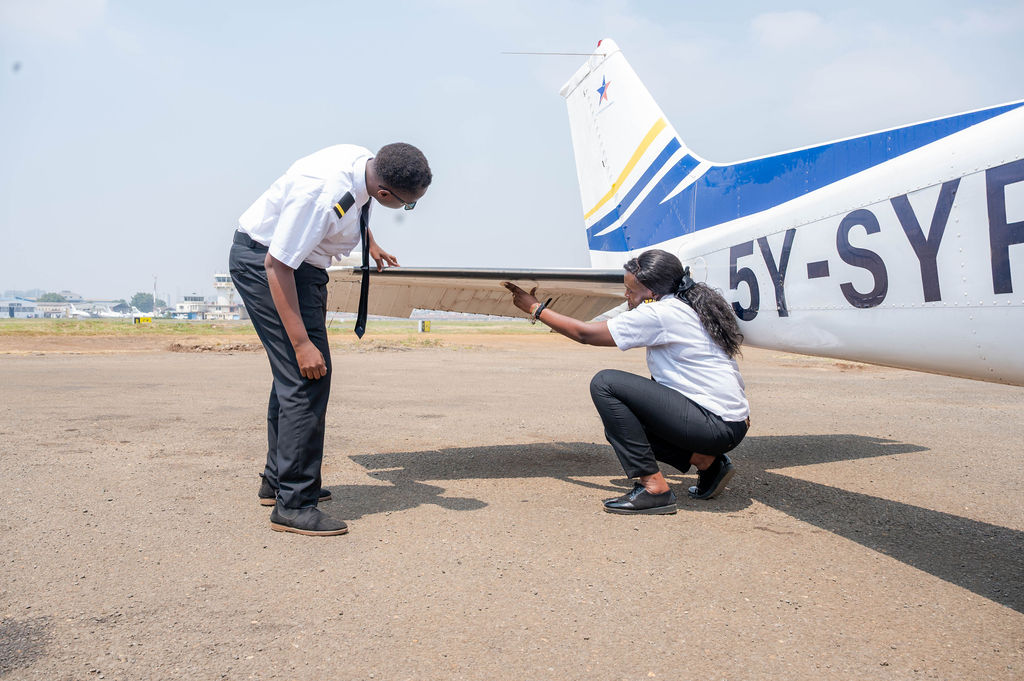
- Using checklists every time
- Making careful decisions, especially with weather and aircraft condition
At Wilson Airport, where traffic can be busy, this becomes even more important. Students learn how to stay aware, communicate clearly, and manage workload safely.
Safety Is Part of Every Flight
Before, during, and after each flight, safety is always part of the process.
Before the flight:
- Check weather and aircraft
- Discuss possible risks
- Plan how to manage them
During the flight:
- Stay alert to changing situations
- Make decisions early
- Speak up and ask questions
After the flight:
- Review what went well
- Talk about mistakes
- Learn how to improve
Speaking Up Is Encouraged
At Flitestar Academy, students are encouraged to speak up.
If something doesn’t look right—whether it’s the aircraft, the weather, or the operation—we want students to say it. This helps build confidence and creates a strong safety culture.
Consistency Builds Safety
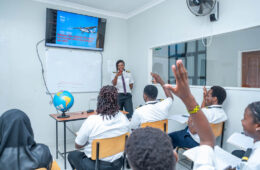
We use standard procedures across all training:
- Same briefing structure
- Same callouts
- Same flight methods
This helps students build good habits and reduces mistakes.
Preparing for Real Flying
Flying after training is not always perfect. Weather changes, situations develop, and decisions matter.
That’s why we train students to:
- Think ahead
- Stay calm under pressure
- Make safe choices
Conclusion
At Flitestar Academy, safety is not just taught—it is practiced every day.
By combining good training with strong safety habits, we prepare our students to become confident, responsible pilots.
Because in aviation, the best pilots are not just skilled—they are safe.